
Fire detection installations are systems designed to detect the presence of fire in buildings or other spaces, serving as a crucial component of fire safety measures. These installations typically consist of a network of sensors, alarms, and control panels strategically placed throughout the area to monitor for signs of fire, such as smoke, heat, or flames.
The sensors, which can include smoke detectors, heat detectors, and flame detectors, continuously monitor the environment for any abnormal conditions indicative of a fire. When a sensor detects such conditions, it sends a signal to the central control panel, which then activates alarms to alert occupants of the building and initiates appropriate emergency response protocols.
Modern fire detection installations often incorporate advanced technologies such as wireless connectivity, remote monitoring capabilities, and integration with building management systems for enhanced efficiency and effectiveness. Regular maintenance and testing are essential to ensure the reliable operation of these systems and to comply with safety regulations and standards.
Overall, fire detection installations play a crucial role in early fire detection, allowing for timely evacuation and intervention to minimize property damage, injuries, and loss of life in the event of a fire emergency.

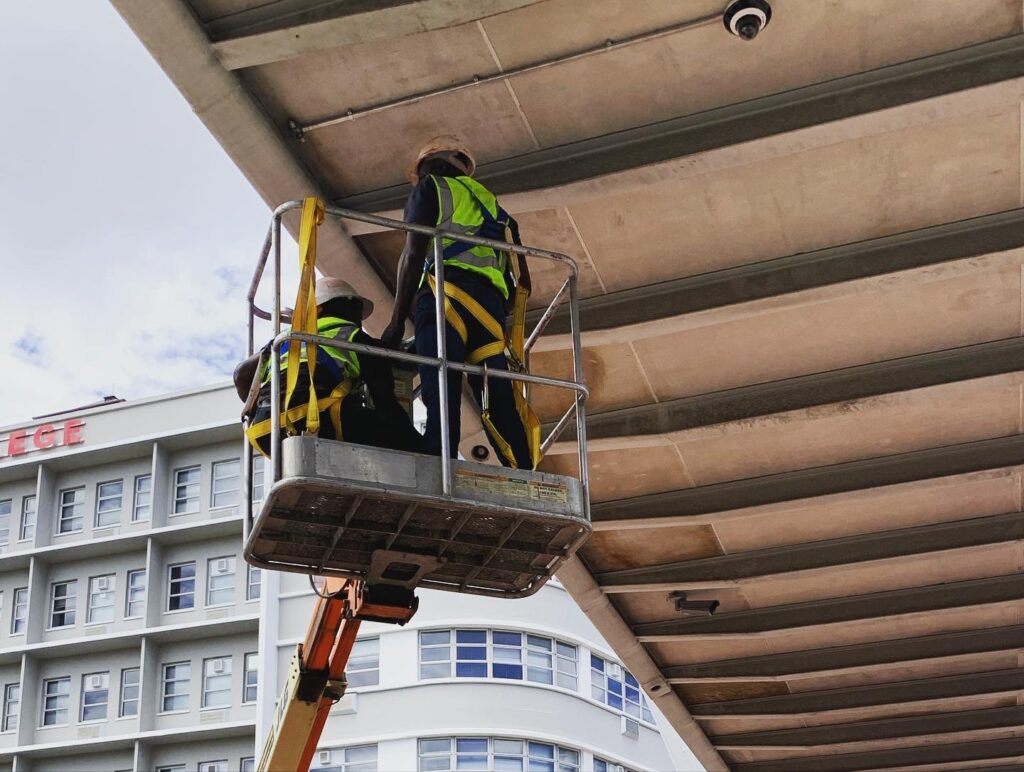
CCTV (Closed-Circuit Television) installations involve the deployment of a network of cameras to monitor and record activity in various environments, such as public spaces, commercial properties, and residential areas. These installations serve multiple purposes, including security surveillance, crime prevention, and monitoring of operations.
CCTV systems typically consist of cameras strategically positioned to cover key areas, along with recording devices such as digital video recorders (DVRs) or network video recorders (NVRs) to store footage. The cameras can be fixed or equipped with pan-tilt-zoom (PTZ) capabilities for flexible monitoring. Additionally, modern CCTV installations often include features such as motion detection, night vision, and remote viewing via the internet or mobile devices.
The benefits of CCTV installations include deterrence of criminal activity, enhancement of public safety, and assistance in investigations by providing valuable evidence. However, ethical considerations regarding privacy and data protection must be addressed, and compliance with relevant regulations is essential.
Overall, CCTV installations are an integral component of comprehensive security systems, offering effective surveillance and monitoring capabilities to protect people, property, and assets.
Access control installations are systems designed to regulate and manage entry to buildings, rooms, or specific areas within a facility. These installations play a crucial role in enhancing security by preventing unauthorized access and ensuring that only authorized individuals can enter designated areas.
Typically, access control systems consist of several components, including electronic locks, access control readers (such as card readers, keypads, or biometric scanners), and control panels. Authorized users are granted access via their unique credentials, such as access cards, PIN codes, or biometric data, which are verified by the system before allowing entry.
Access control installations offer various features and capabilities, including the ability to set access levels and permissions for different users, track entry and exit activity through audit trails, and integrate with other security systems such as CCTV and alarm systems.
These systems can be deployed in a wide range of environments, including office buildings, government facilities, educational institutions, and healthcare facilities, among others. They provide not only security benefits but also operational advantages, such as improved employee accountability and visitor management.
Overall, access control installations are essential for safeguarding physical assets, protecting sensitive information, and maintaining a secure environment. They offer a scalable and customizable solution to meet the specific security needs of different organizations.


Intruder alarm system installations are designed to detect unauthorized entry into buildings or premises and alert occupants or security personnel to potential security breaches. These systems are a fundamental component of physical security measures for both residential and commercial properties.
Typically, intruder alarm systems consist of sensors, a control panel, and alarm devices. Sensors are strategically placed at entry points such as doors and windows, as well as in interior spaces, and are triggered by unauthorized movement or breach. The sensors send signals to the control panel, which then activates alarm devices such as sirens, strobe lights, or notifications to a monitoring center.
Modern intruder alarm systems often incorporate advanced features such as motion detection, glass break sensors, and wireless connectivity for easy installation and integration with other security systems. Some systems also offer remote monitoring and control capabilities, allowing users to arm, disarm, and receive alerts via mobile devices or computers.
Intruder alarm system installations serve as a deterrent to potential intruders, as well as providing early detection and rapid response to security breaches. They help protect property, assets, and occupants by reducing the risk of theft, vandalism, and other unauthorized activities.
Regular maintenance and testing of intruder alarm systems are essential to ensure reliable operation and compliance with security standards and regulations. Overall, these installations are a vital component of comprehensive security strategies, providing peace of mind and protection for both residential and commercial properties.
Maintenance on systems involves regular upkeep, inspection, and servicing to ensure optimal performance, reliability, and longevity of various systems, including but not limited to, mechanical, electrical, electronic, and software-based systems. It encompasses preventive measures aimed at identifying and addressing potential issues before they escalate into costly failures, as well as corrective actions to rectify existing problems.
Key aspects of system maintenance include:
1. **Scheduled Inspections:** Regular inspections are conducted according to predetermined schedules to check for signs of wear and tear, damage, or malfunction. These inspections may involve visual checks, testing of components, and performance assessments.
2. **Routine Maintenance Tasks:** Routine maintenance tasks are carried out to address common issues and keep systems running smoothly. This may include cleaning, lubrication, calibration, and adjustment of components.
3. **Preventive Maintenance:** Preventive maintenance involves proactive measures to prevent potential problems from occurring. This may include replacing worn-out parts, upgrading software, or implementing improvements based on performance trends or manufacturer recommendations.
4. **Emergency Repairs:** In case of unexpected breakdowns or malfunctions, emergency repairs are performed to restore functionality and minimize downtime. These repairs may involve troubleshooting, replacement of faulty components, or system reconfiguration.
5. **Documentation and Record-Keeping:** Detailed documentation of maintenance activities, including inspection reports, maintenance logs, and service records, helps track the maintenance history of systems, identify recurring issues, and plan future maintenance tasks.
Effective system maintenance helps optimize system performance, reduce the risk of unplanned downtime, extend the lifespan of equipment, and ensure compliance with regulatory requirements and safety standards. It is an essential aspect of asset management and contributes to overall operational efficiency and reliability.
